
(And That’s Kind of the Point)
I didn’t miss the consultation.
I genuinely didn’t know it was happening.
Which is interesting, because apparently it involved rethinking how smaller communities are represented — and you’d think that might be something people should be broadly aware of.
The timeline tells its own story. The survey opened just before Christmas, ran through the holidays, closed as people were getting back to work, and was heading toward a decision not long after. If you weren’t already inside council processes, or already part of a representative group, it was very easy to miss entirely.
That alone should probably have triggered a pause.
What representative groups actually do (despite how they’re described)
Representative groups tend to get described as “engagement”, which makes them sound optional or a bit fluffy. They’re not.
They don’t make decisions. They don’t run council. What they do provide is a formal, minuted pathway for communities, particularly smaller or less visible ones; to raise issues, ask for advocacy, and ensure those issues don’t quietly evaporate.
That paper trail matters more than people realise. It’s not exciting, but it’s the difference between “we talked about this once” and “this was raised, acknowledged, and carried forward.”
The appeal of “coffee catch-ups”
The alternative being floated was informal, unminuted catch-ups. More relaxed. Less rigid. Easier for everyone.
I understand why that sounds appealing.
The problem is that once you remove minutes, structure, and obligation, you also remove continuity and accountability. Issues can be raised, nodded at, and then… nothing. Later on, nobody recalls exactly what was said, who asked for what, or why something stalled.
Nothing malicious needs to happen. Things just drift.
“Confrontational” isn’t a design flaw
One thing that came up repeatedly was that staff didn’t enjoy the representative groups. They were time-consuming. They were uncomfortable. They were confrontational.
That tracks. Accountability usually is.
When community members ask awkward questions, push back on assumptions, or expect follow-up, it can feel confrontational — especially if you’re on the receiving end. But that doesn’t mean the structure is broken. It usually means it’s doing what it’s supposed to do.
If the process was clunky, inefficient, or poorly scoped, that’s a design problem. It’s not an argument for removing the structure altogether.
There was a better option sitting right there
What’s frustrating is that none of this required tearing anything down.
If participation was the concern, there were obvious fixes:
hold meetings outside standard work hours
rotate in evening or occasional weekend sessions
keep them monthly and focused
minute them properly, with actions and follow-up
be clear that being a rep is an actual responsibility, not a casual role
That would have widened participation and preserved accountability.
Instead, the solution jumped straight to weakening the structure.
Reform isn’t the problem, how it’s done is
I’m not opposed to reform. But reform should strengthen systems, not hollow them out because they’re inconvenient.
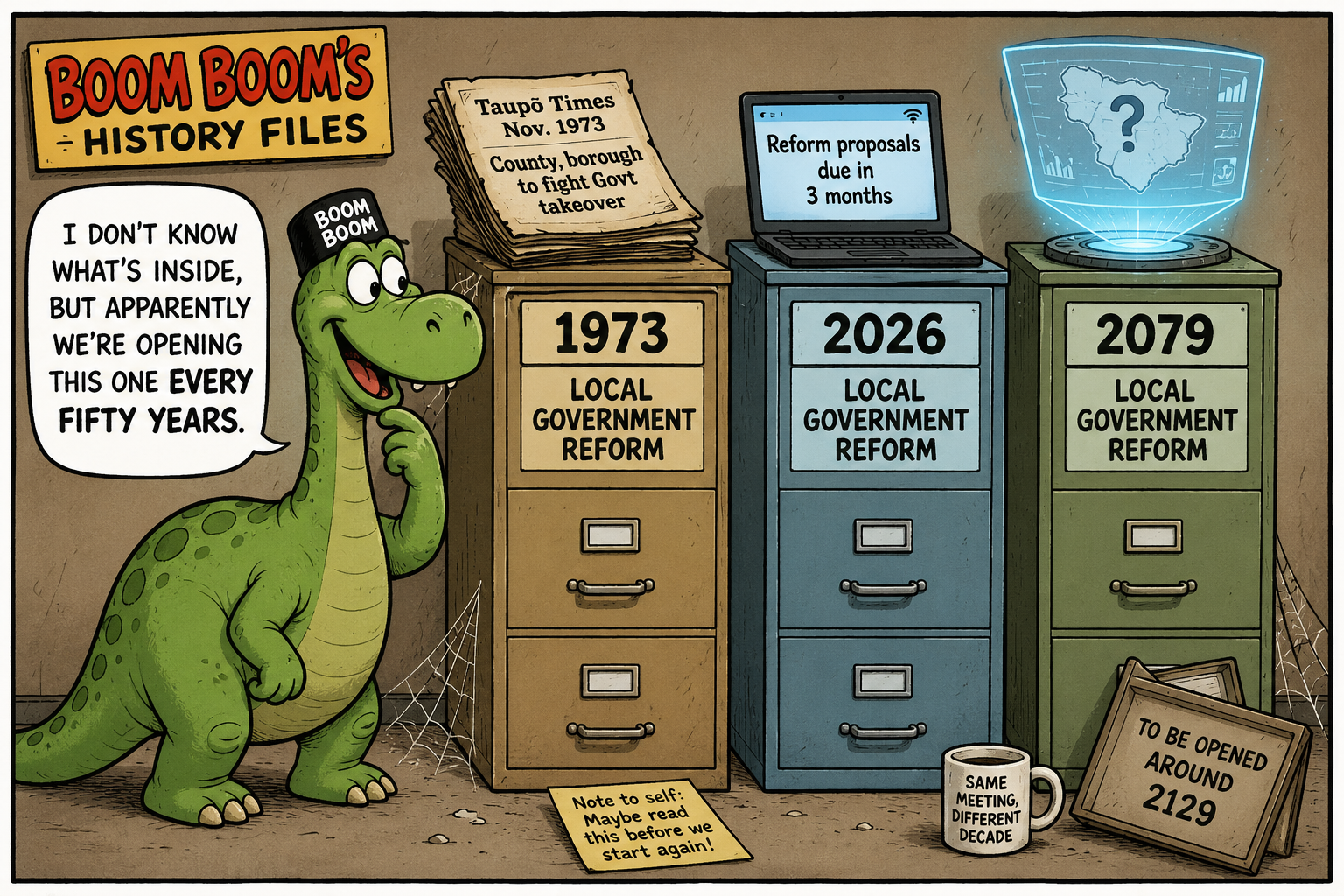
If representative groups matter and councils keep saying they do then the way they’re reviewed matters just as much. Engagement without memory isn’t engagement. It’s just conversation. And conversations are very easy to forget.
Anyway.
That’s what I noticed mostly after the fact which is probably the most telling part of all.
Leave a Reply